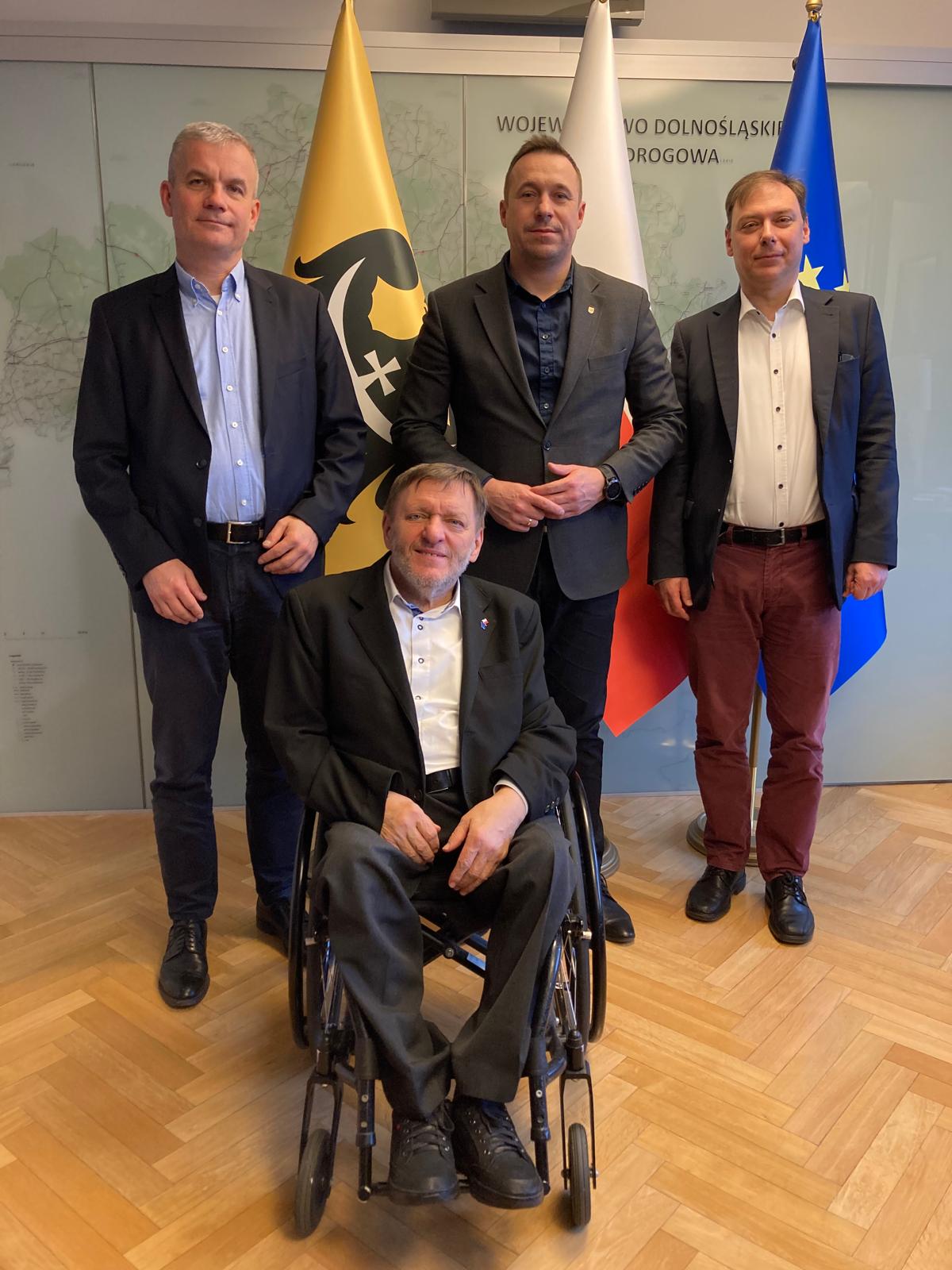
 A meeting took place on February 6, 2025, attended by the Chairman of the Supervisory Board of the Krzyzowa Foundation for Mutual Understanding in Europe, Dr. Grzegorz Warzocha, and the Foundation's Managing Director, Dr. Robert Żurek. A councilor of the Lower Silesian Parliament and friend of Krzyzowa, Slawomir Piechota, also joined the discussion. The meeting was held to discuss the possibility of further cooperation between the Foundation and the Lower Silesian Marshal's Office.
During the meeting, which was attended by Lower Silesian Marshal Pawel Gancarz, representatives of the Foundation thanked the Marshal for the fruitful cooperation with the Marshal's Office to date, and presented proposals for its further strengthening.
Mr. Marshal Pawel Gancarz expressed his appreciation for the activities of the Krzyzowa Foundation and its impact on the development of the region. He enthusiastically accepted the invitation to visit Krzyzowa, a sign of his commitment to deepening cooperation in the future.
Read more: Meeting with the Marshal of Lower Silesia Paul Gancarz
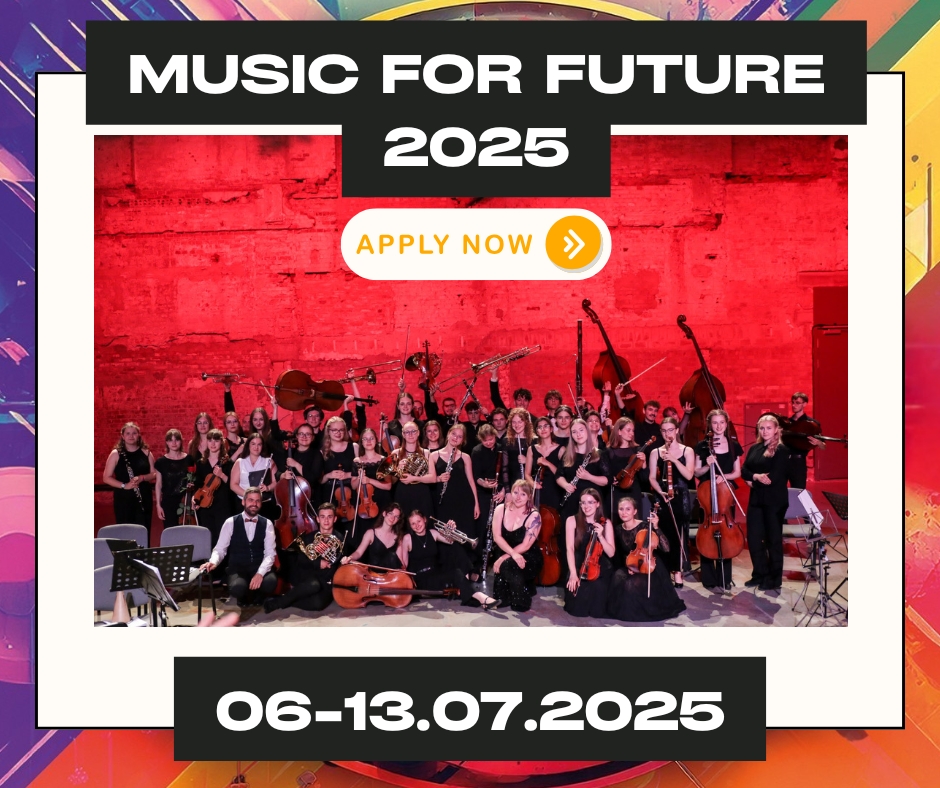 Join the International Youth Orchestra - Music For Future!
Are you a young musician ready to create harmony across borders?
Join talented musicians from Poland, Germany, Ukraine, and Greece for an unforgettable summer of music-making!
What awaits you:
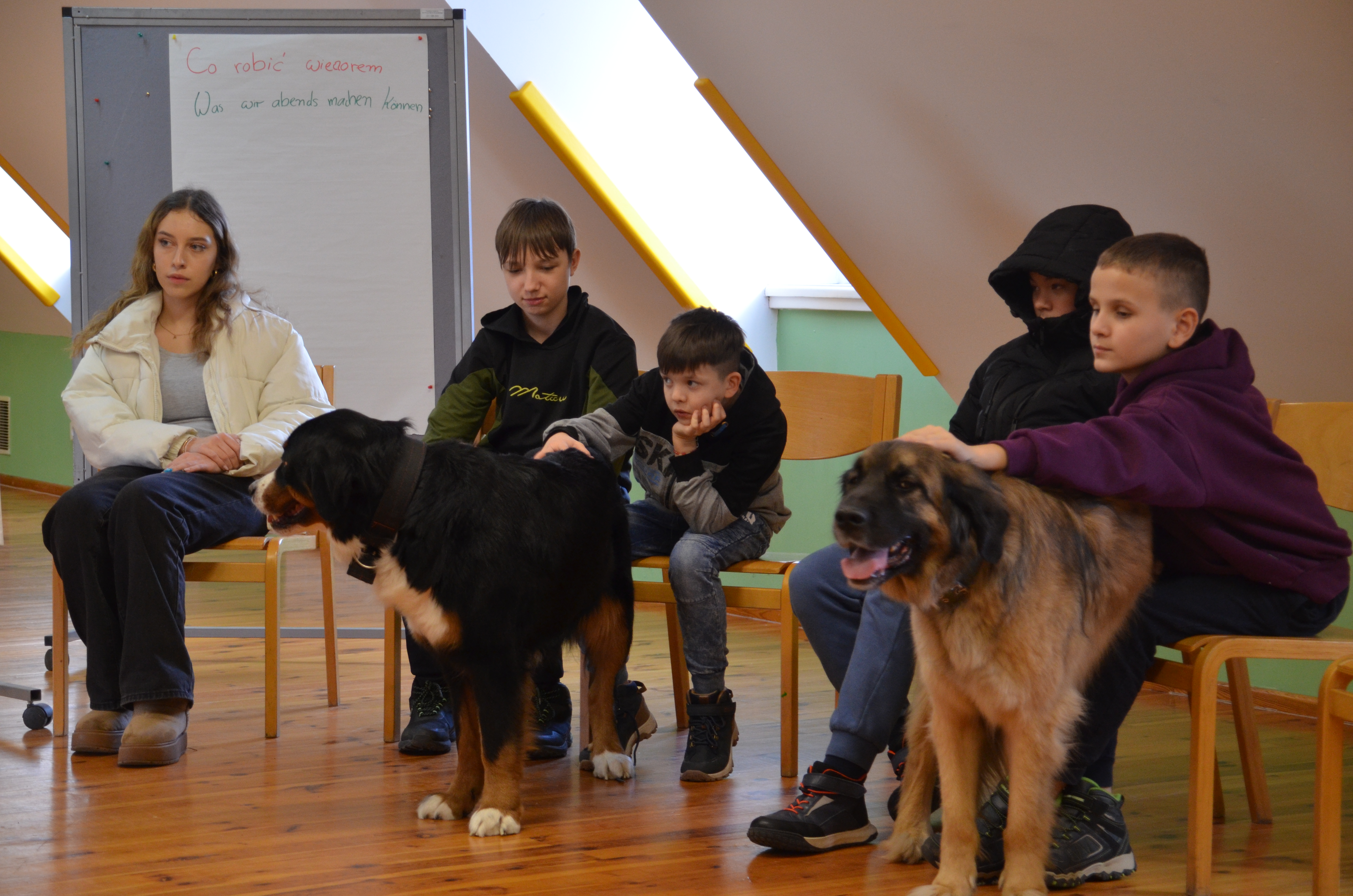
From January 27th to February 1st, 2025, a special Polish-German youth meeting took place, with 17 participants from care and educational institutions in Świdnica (PL) and Kemberg (DE).
It was a time full of new experiences, integration, creative work, and unforgettable impressions. Creative workshops and acrobatic activities on silks allowed the participants to develop their skills, build self-confidence, and collaborate in an international team. There was also time to explore local attractions, one of which was the gold mine in Złoty Stok.
Read more: Another "Winter Adventure" is behind us.
Darmstadt, Krzyżowa, in January 2025.
Preamble
This manifesto is the voice of civil society, the voice of those numerous organizations and entities on both sides of the border that have contributed for many years to shaping the Polish-German neighborhood in a united Europe.
Close, mutually trusting and friendly Polish-German relations are crucial to the future of both our countries. Huge challenges are piling up before us: strengthening European security and defense policy in the face of Russia's war in Ukraine, rampant populism, the crisis of liberal democracies and the growing polarization of societies. Added to these are the crises of climate change and migration.
November 2024 marked the 35th anniversary of the historic reconciliation mass in Krzyżowa. As a result of the deliberations and discussions held there, we remind the governments in Berlin and Warsaw of the great importance of expanding and promoting Polish-German civil society cooperation. We consider the efforts made so far in this field to be insufficient. This manifesto takes into account the demands of the Copernicus Group and other actors involved in and supporting civil society contacts in Poland and Germany.
Read more: More courage and determination for a better future - Manifesto of Polish-German Civil Society